Camping Hair Don't Care: Designing for Adventure
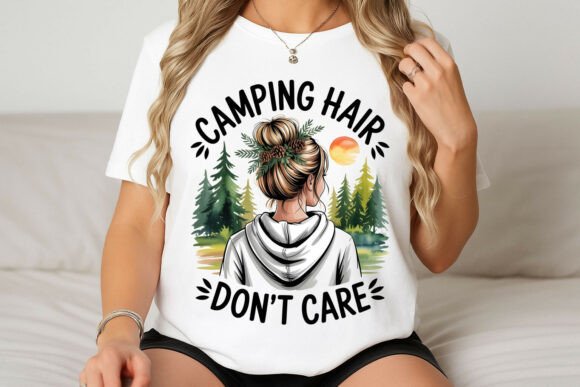
Capturing the carefree spirit of the outdoors, the Camping Hair Don't Care Design is more than just a charming illustration; it's a versatile asset for modern visual storytelling. This watercolor piece, featuring a woman with a relaxed bun against a sunset forest backdrop, perfectly embodies a laid-back, adventurous aesthetic. For designers and creators, understanding how to leverage such themed graphics is key to building authentic brand identities and engaging visual content that resonates with audiences who love nature and travel.
The Role of Themed Illustrations in Visual Communication
In graphic design, imagery sets the emotional tone. A design like this serves as a powerful shorthand for concepts like freedom, relaxation, and outdoor adventure. Its style—watercolor with a transparent background—aligns with current design trends favoring organic textures and authentic, handcrafted feels. This makes it exceptionally useful for projects where a personal, approachable brand identity is paramount. The visual hierarchy is clear: the figure and quote are the focal points, supported by a complementary color palette of sunset hues and forest greens, ensuring immediate impact.
Practical Applications Across Creative Projects
The true value of a high-quality digital asset lies in its adaptability. This particular illustration, delivered as a high-resolution PNG, unlocks a multitude of creative possibilities:
- Branding & Merchandise: Ideal for lifestyle brands, outdoor apparel companies, or travel blogs. It can be integrated into logo design variations, or used directly on merchandise like t-shirts, hoodies, and mugs, creating a cohesive product line.
- Digital Marketing & Social Media: Perfect for creating engaging social media graphics, blog post headers, or email newsletter visuals that speak directly to an adventure-loving audience, enhancing user engagement.
- Print Design & Packaging: The high DPI and large pixel dimensions make it suitable for print design applications, from scrapbooking pages and vinyl decals to artisanal product packaging that needs a nature-inspired touch.
- Web & UI Elements: Can be used as a decorative element in web design for specific sections, or as part of a larger illustration system for a travel or outdoor activity app, improving the overall user experience.
Integrating Assets Effectively into Your Design Workflow
When incorporating any pre-designed element, thoughtful evaluation is crucial. Consider the following to ensure seamless integration:
- Consistency: Does the illustration's style—watercolor, color palette, and mood—align with your existing brand system? Consistency in visual style strengthens brand recognition.
- Scalability & Readability: Verify that the file resolution (300 DPI is print-ready) and size meet your project's requirements without losing clarity. Ensure any text within the design is legible at various scales.
- Composition & Hierarchy: Use the asset as a focal point or a supporting element. Its strong visual hierarchy should guide the viewer's eye effectively within your broader layout, whether for a poster, a webpage, or a social media card.
Ultimately, selecting the right creative assets is about enhancing communication and aesthetic appeal. A well-chosen illustration, like the Camping Hair Don't Care Design, does more than decorate—it tells a story, evokes a specific feeling, and connects with a target audience on a personal level. By applying principles of visual design, typography, and color theory, creators can transform such assets into polished, professional components that elevate any project, from digital marketing campaigns to tangible products, ensuring the final design is both beautiful and functionally effective.